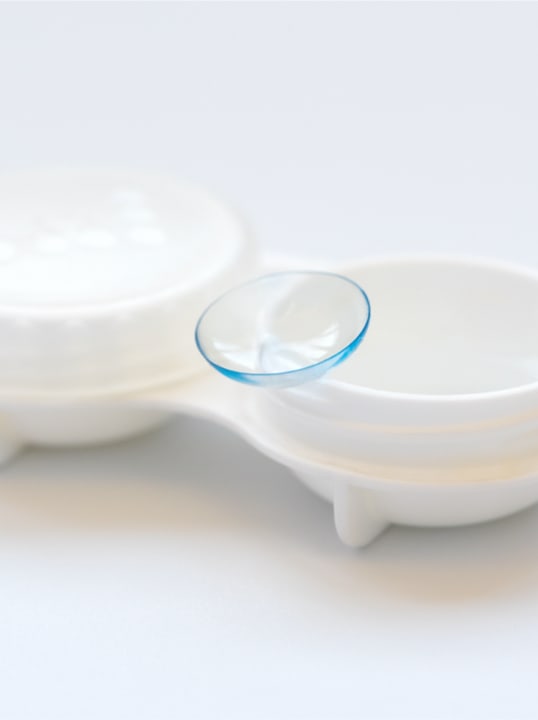

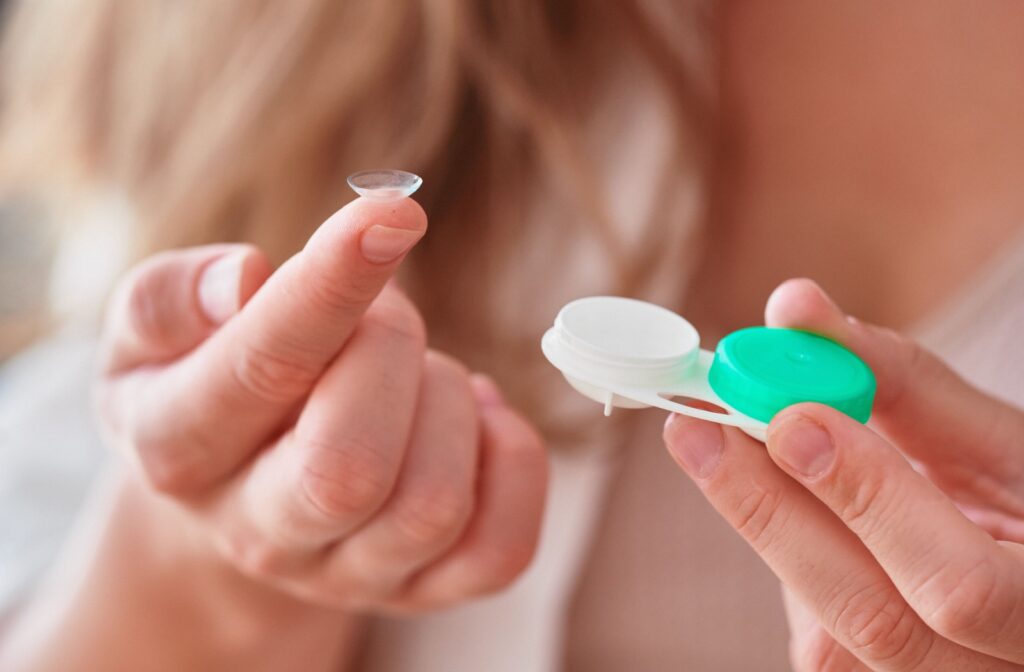
Daily contacts, also known as daily disposable lenses, are designed to be worn for 1 day and then thrown away. They are typically made from a soft material called hydrogel or silicone hydrogel. These materials help more oxygen reach the eyes, which can be essential for maintaining healthy and comfortable eyes when you wear contact lenses.
Daily contact lenses should never be worn more than once, even if they appear clean or were only used briefly. These lenses are specifically designed for single use and lack the durability needed for cleaning and storage.
What Daily Contacts Are & How They Work
Daily Disposable vs Extended-Use Lenses
Daily disposable contacts are manufactured with different materials and thickness compared to monthly or bi-weekly lenses. Here’s how they differ:
- Thinner construction for comfort but not durability
- Special hydration coating that works for one day only
- No protective treatments against protein buildup
- Lower water content that can’t be restored once lost
Extended-use lenses contain stronger materials and protective coatings that help them withstand daily cleaning and storage solutions. The CDC explains different contact lens types and their specific care requirements.
How Long You Can Safely Wear Daily Contacts
Most daily contacts are designed for 8 to 16 hours of wear in a single day. Your specific wear time depends on your eye health, tear production, and environmental factors like air conditioning or wind exposure.
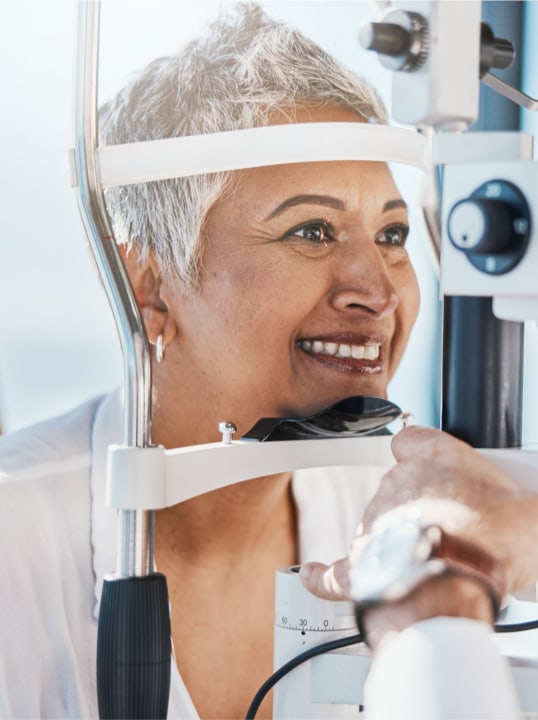
Some people can comfortably wear dailies for the full 16 hours, while others need to remove them after 8 hours due to dryness or irritation. The eye doctor can help determine your ideal wear schedule during your contact lens fitting.
Why You Shouldn’t Reuse Daily Contacts
Thin Material & Fragile Design
Daily lenses use ultra-thin materials that make them comfortable but fragile. This thin construction allows more oxygen to reach your eyes but can’t handle the stress of removal, cleaning, and reinsertion.
When you try to clean daily contacts, the thin material can develop micro-tears or change shape. These changes affect how the lens fits on your eye and can cause discomfort or blurred vision.
Moisture Loss & Comfort Issues
Daily contacts lose their moisture content once exposed to air and can’t regain it through storage solutions. The special hydration coating breaks down during wear and doesn’t restore overnight in contact solution.
Without proper moisture levels, the lens becomes stiff and uncomfortable. You’ll notice increased dryness, burning sensations, and the feeling that something is scratching your eye.
Bacteria & Protein Buildup
Even short wear times allow bacteria and proteins from your tears to attach to the lens surface. Daily lenses don’t have the protective coatings that help monthly lenses resist these deposits.
Your tears naturally contain proteins and lipids that stick to contact surfaces. On daily lenses, these deposits can’t be effectively removed and create a breeding ground for harmful bacteria. Proper contact lens care is necessary for any reusable lens type.
Health Risks of Wearing Daily Contacts Multiple Times
Reusing daily contacts puts your eye health at serious risk. The consequences can range from mild discomfort to vision-threatening conditions:
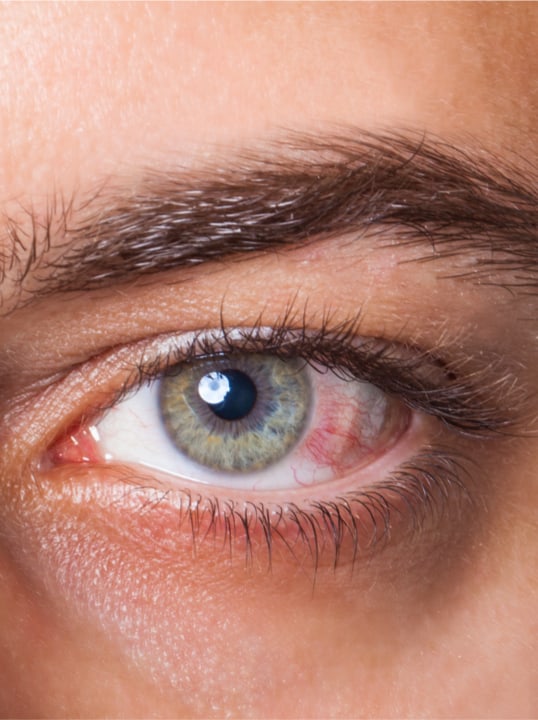
- Eye irritation & redness
- Bacterial infections
- Corneal ulcers
- Dry eye symptoms
- Blurred vision from lens damage
These complications can lead to serious conditions that require professional treatment. Corneal ulcers, for example, can cause permanent vision damage if left untreated.
Why Cleaning Daily Contacts Doesn’t Work
Contact cleaning solutions are formulated for durable monthly and bi-weekly lenses. These solutions can actually damage the delicate material of daily disposables.
The cleaning process itself — rubbing and rinsing — can cause daily lenses to tear or warp. Even if the lens appears intact, microscopic damage affects its fit and safety on your eye.
Benefits of Using Daily Contacts
One concern for many people when considering daily contacts is the cost. While they may seem more expensive upfront, it’s important to consider the long-term costs and benefits, such as:
- Less cleaning solution needed: With traditional contacts, you constantly need to purchase cleaning solution, which can add up over time. With daily contacts, there is often no need for cleaning solution, which can make them a potentially more cost-effective option.
- No need for contact lens cases: Daily contacts don’t require the use of contact lens cases. This means there’s no need to constantly purchase and replace these items, which can also save you money in the long run.
- Reduced risk of complications: The buildup of bacteria and proteins on traditional contacts can lead to eye infections and other complications. By using daily contacts, you can reduce this risk.
Tips for Caring for Daily Contacts
For the best experience when wearing daily contacts, here are some tips to keep in mind:
- Wash your hands before handling your lenses: This helps prevent transferring any dirt or bacteria onto the lenses.
- Avoid touching the inside of the lens: This can cause damage to the lens or transfer oils from your fingers onto the lens.
- Never reuse daily contacts: As mentioned before, reusing daily contacts is not recommended and can lead to eye complications.
- Use only contact lens solution: Do not use water or any other cleaning solutions to clean or store your daily contacts, as this can cause damage to the lenses and potentially harm your eyes.
- Replace your contacts on schedule: Daily contacts are designed for single use, and even when you don’t use them, they can expire, so make sure to replace them according to the recommended schedule. Using them for longer than instructed can lead to discomfort and potential eye infections.
- Visit your eye doctor regularly: Even with daily contacts, it’s important to have regular checkups with your eye doctor. We can monitor your eye health and the comfort of your contacts.
Better Alternatives to Save Money & Reduce Waste
Monthly or Bi-Weekly Contact Lenses
If cost is your main concern, monthly or bi-weekly lenses offer good value for regular contact wearers. These lenses are designed to withstand daily cleaning and provide consistent comfort throughout their replacement cycle.
Monthly lenses typically cost less per day of wear when you calculate the total expense. You’ll also need to purchase cleaning solution and a contact case, but the overall monthly cost is often lower than dailies.
Backup Glasses for Contact-Free Days
Alternating between contacts and glasses can help stretch your contact lens supply while giving your eyes a break. Consider wearing glasses on weekends, sick days, or when you’re staying home.
This approach works well if you only need contacts for specific activities like sports, social events, or work presentations.
Special Occasion Contact Use
Reserve your daily contacts for times when you need them most. Use them for important meetings, dates, exercise, or activities where glasses would be inconvenient.
This targeted approach helps you get the convenience of dailies without the daily expense.
When Daily Contacts Are Worth the Investment
Clean Hygiene Every Day
Daily contacts provide fresh, sterile lenses every morning. You never have to worry about inadequate cleaning or contaminated storage cases affecting your eye health.
This consistent hygiene makes dailies ideal if you’ve had previous eye infections or struggle with proper lens care routines.
No Cleaning Routine Required
Busy parents and professionals appreciate the convenience of daily disposables. You can skip the nightly cleaning routine and never worry about forgetting to clean your lenses properly.
Travel becomes simpler too — no need to pack cleaning solutions or worry about sterile storage while away from home. Proper storage techniques are important for any reusable contact lens.
Ideal for Sensitive Eyes
If you have allergies, dry eyes, or sensitive eyes, daily contacts often provide the most comfortable experience. Fresh lenses every day mean no buildup of allergens or irritating deposits.
Many people with marginal contact tolerance find they can wear dailies successfully when other lens types cause problems.
The eye care team at McCauley Celin Eyecare Associates can help you choose the contact lens type that fits your budget, lifestyle, and eye health needs. The doctors consider your tear quality, wearing schedule, and visual requirements when making recommendations. Visit the team at one of their convenient North Hills locations in Wexford, Perrysville, or Gibsonia to find the right contact solution for your needs.