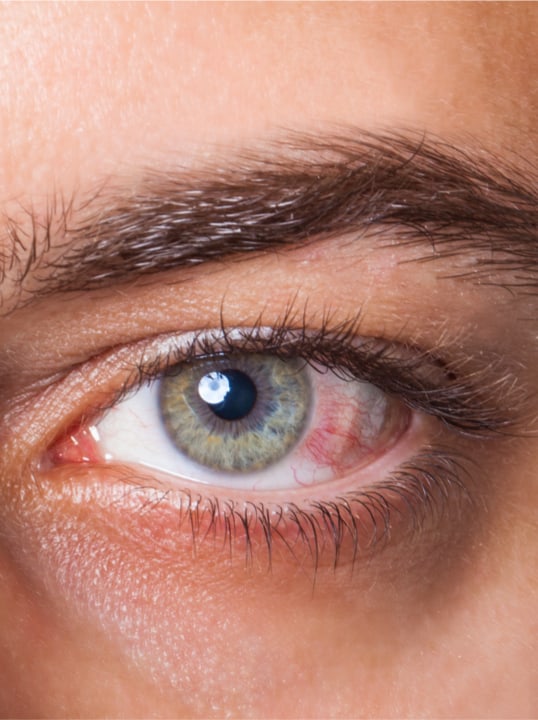

Watery eyes can disrupt your daily routine and leave you constantly reaching for tissues. The good news is that many cases respond well to simple home remedies. At McCauley Celin Eyecare Associates, we understand how frustrating this condition can be and want to help you find relief through both at-home care and professional dry eye therapy.
You can often manage watery eyes at home using warm compresses, humidifiers, and preservative-free eye drops, but persistent symptoms may indicate dry eye syndrome or other conditions that require professional treatment.
What Watery Eyes Look & Feel Like
Watery eyes involve more than just excess tears. You might experience several uncomfortable symptoms that affect your vision and daily activities.
Common signs include:
- Excessive tearing that streams down your face
- Blurry vision from tears covering your eyes
- Eye discharge, especially upon waking
- Eyelid irritation from frequent wiping
- Light sensitivity that makes you squint
- General eye discomfort or burning sensation
Why Your Eyes Won’t Stop Watering
Several factors can trigger excessive tearing. Here are some of the major ones.
Environmental Triggers
Weather and air quality play major roles in eye comfort. Cold temperatures and wind can stimulate tear production as your eyes try to stay moist.
Common environmental causes include:
- Cold weather & wind exposure
- Smoke & airborne irritants
- Dry indoor air from heating systems
- Allergens like pollen & pet dander
Blocked Tear Ducts & Drainage Issues
Your tear ducts normally drain excess moisture from your eyes. When these pathways become blocked or narrowed, tears accumulate on your eye surface. This can create watering even when your tear production is normal.
Blockages can result from infections, injuries, or age-related changes.
Dry Eyes
Dry eyes often cause watery eyes as a reflex response. When the surface of your eyes lacks proper lubrication, your tear glands compensate by producing excess tears. However, these reflex tears are watery and don’t provide the same quality lubrication as your natural tear film. This creates a cycle where your eyes remain both dry and watery.
Simple Home Remedies That Work

You can try several gentle treatments at home to reduce excessive tearing. These methods target common causes and can provide relief within days.
Warm Compress Treatment
Warm compresses help improve your natural tear film quality and can unblock the oil glands in your eyelids. Warm compresses work by applying a clean, damp washcloth warmed with comfortable hot water to closed eyes.
Hold the compress for 5-10 minutes twice daily. The warmth helps loosen any debris and improves oil flow from your meibomian glands.
Add Moisture to Your Air
Dry air can irritate your eyes and trigger excessive tearing. A cool mist humidifier helps maintain comfortable moisture levels in your home.
Keep indoor humidity between 40-50% for optimal eye comfort. Place the humidifier in rooms where you spend the most time, especially your bedroom.
Over-the-Counter Eye Drops
Preservative-free artificial tears can help stabilize your tear film and reduce reflex tearing. Choose drops specifically labeled as preservative-free if you need to use them more than four times daily.
Apply one to two drops in each affected eye as needed. These drops supplement your natural tears and can break the dry-eye watering cycle.
Allergy-Related Watery Eye Solutions
Allergies are a common cause of watery eyes, especially during spring and fall seasons. Targeting the allergic response can provide significant relief.
Antihistamine Options
Antihistamine eye drops provide direct relief from allergic reactions in your eyes. You can also take oral antihistamines for whole-body allergy relief.
Over-the-counter options like loratadine or cetirizine can help reduce your overall allergic response. Combination treatments often work better than single approaches.
Reduce Your Exposure
Limiting contact with allergens helps prevent watery eyes before they start. Keep windows closed during high pollen days and use air conditioning with clean filters.
Wash your hands frequently and avoid rubbing your eyes after touching pets or being outdoors. Consider showering before bedtime to remove allergens from your hair and skin.
When Watery Eyes Signal Something More Serious
Some symptoms indicate that you need professional eye care rather than home treatment. Early intervention can prevent complications and provide more effective relief.
Warning Signs That Need Immediate Attention
Certain symptoms require prompt medical evaluation, as they may indicate infections, injuries, or other serious conditions.
Seek professional care if you experience:
- Sudden vision changes or loss
- Eye pain or severe discomfort
- Feeling like something is stuck in your eye
- Red or infected-looking eyelids
How Eye Doctors Treat Persistent Watery Eyes
Professional treatments can address underlying causes that home remedies can’t resolve. Your eye doctor can diagnose blocked tear ducts, chronic dry eye, or other conditions that are causing your symptoms with a comprehensive eye exam.
Treatment options include prescription medications and in-office therapies like IPL therapy. These approaches target the root cause rather than just managing symptoms.
At McCauley Celin Eyecare Associates, our experienced team provides comprehensive eye care for families throughout Wexford, Perrysville, and Gibsonia. We take the time to identify the root cause of your watery eyes and create personalized treatment plans that work for your lifestyle.
Book your appointment with our team today for thorough care you can rely on.