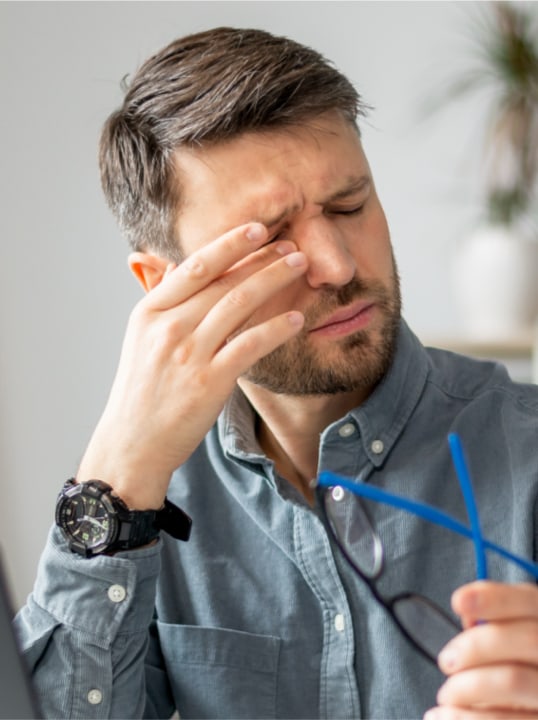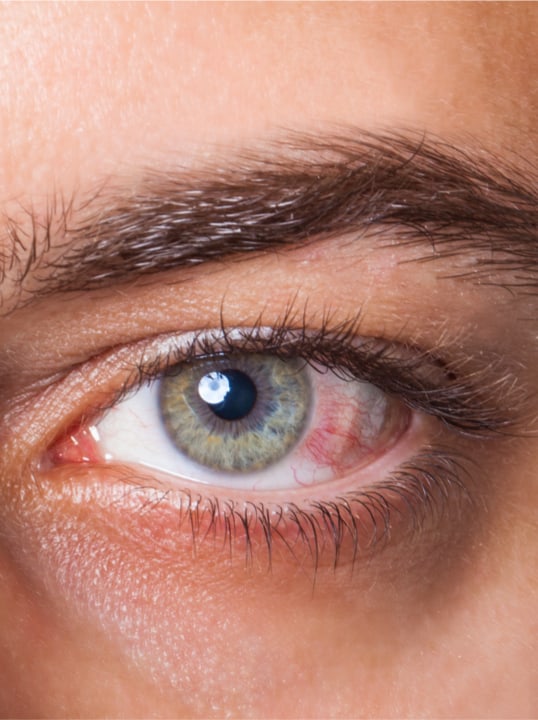
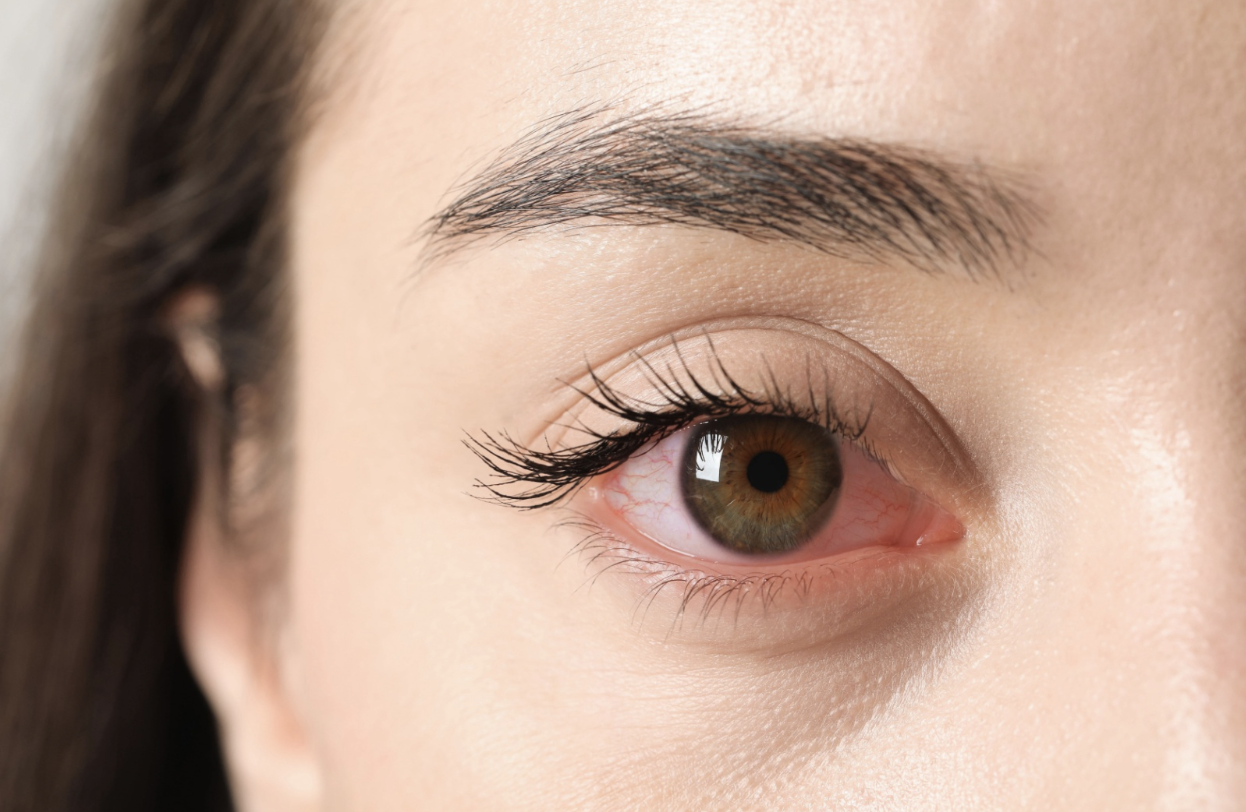
You wake up with red, irritated eyes again, and you’re not sure if it’s the changing seasons or something else entirely. The mirror shows the same frustrating sight—bloodshot eyes that make you look tired and feel uncomfortable all day.
The key difference lies in your symptoms: allergies typically cause itchy, watery eyes with seasonal patterns, while dry eye causes a gritty, burning sensation that worsens as the day progresses. Knowing these distinctions can help you find the right relief and know when to seek professional care at McCauley Celin Eyecare Associates. A thorough, comprehensive eye exam can determine the exact cause of your symptoms.
Key Signs That Point to Allergies
Your eyes feel incredibly itchy, almost like you need to rub them constantly. Intense itching sensation rarely occurs with other eye conditions and serves as a telltale sign of an allergic reaction.
You might notice your symptoms follow a predictable pattern—perhaps they flare up every spring when trees bloom or worsen when you’re around pets. Allergic reactions often come with a clear, watery discharge that runs down your cheeks.
The redness typically affects both eyes equally and may come with other familiar allergy symptoms. You might find yourself sneezing more often, dealing with a runny nose, or feeling congested when your eyes act up.
Watch out for:
- Itchy, watery eyes with clear discharge
- Seasonal patterns or specific triggers
- Other allergy symptoms, like sneezing
Common Dry Eye Red Flags
Your eyes feel like someone sprinkled sand in them, creating a gritty sensation that makes blinking uncomfortable. A persistent burning, scratchy feeling differs significantly from the itchy sensation of allergies.
The discomfort typically builds throughout your day, especially if you spend hours on a computer screen or reading. You might notice your eyes feel relatively comfortable in the morning, but become increasingly irritated by evening.
When you use artificial tears or take a moment to blink several times slowly, your symptoms improve temporarily. The discharge from dry eye tends to be thicker and more stringy than the clear tears from allergies. Professional dry eye therapy can provide lasting relief when home remedies aren’t enough.

Why Both Conditions Cause Similar Redness
Inflammation Response in Your Eyes
When your eyes encounter irritants or lack proper moisture, your body responds by sending more blood to the affected area. Increased blood flow causes the tiny vessels in your eyes to expand and become more visible.
The redness you see represents your body’s attempt to protect and heal your eyes. Whether the trigger comes from pollen, pet dander, or insufficient tear production, your immune system activates the same defensive response.
Tear Film Disruption
Your tear film normally creates a smooth, protective layer over your eye surface. Allergies flood your eyes with excess watery tears that wash away this stable film, leaving your eyes vulnerable to irritation.
Dry eye takes the opposite approach—your eyes don’t produce enough quality tears to maintain proper moisture. Both situations disrupt the delicate balance your eyes need to stay comfortable and appear clear. Learning more about dry eye condition can help you recognize when professional treatment is necessary.
Simple Tests You Can Do at Home
The Timing Test
Pay attention to when your symptoms appear and disappear. Allergic reactions often follow seasonal patterns—you might notice problems during the spring tree pollen season or the fall ragweed blooms.
Dry eye symptoms typically worsen throughout the day and improve after a good night’s sleep. Your eyes might feel fine when you wake up, but become increasingly uncomfortable during afternoon work sessions.
The Relief Test
Try placing a cold, damp cloth over your closed eyes for a few minutes. Allergy-related redness often responds well to this cooling treatment, while dry eye symptoms may not improve significantly.
Use preservative-free artificial tears and note how long the relief lasts. Dry eye typically provides relief for an extended period, while allergic eyes may only experience brief relief before symptoms return. Warm compresses can also help with certain types of eye irritation.
When to Visit Your Optometrist
Your symptoms deserve professional attention when they persist beyond two weeks despite your home care efforts. Chronic redness can indicate conditions that require specific treatment approaches.
Schedule an appointment immediately if you experience vision changes, severe eye pain, or light sensitivity along with redness. These symptoms can signal more serious conditions that need prompt medical attention.
Book Your Consult Today
Don’t let persistent eye redness affect your daily comfort and confidence. The experienced team at McCauley Celin Eyecare Associates treat you like family and takes the time to thoroughly assess your symptoms to create a personalized treatment plan. Book your appointment today at one of our convenient North Hills locations in Wexford, Perrysville, or Gibsonia.