You reach for your contact lens case and wonder if those lenses are still good to wear. Maybe you forgot when you first opened the package, or you’re curious about pushing the replacement schedule just a few more days.
Contact lens lifespan depends entirely on the type you wear — daily disposables last just one day, while monthly lenses can be safely worn for 30 days, and rigid gas permeable lenses can last up to two years with proper care. At McCauley Celin Eyecare Associates, the experienced team helps you understand proper lens care and replacement schedules for optimal eye health. Professional contact lens fittings help you get the right type for your lifestyle and vision needs.
Types of Contact Lenses & Their Lifespan
Daily Disposable Contact Lenses
Daily disposable lenses offer convenience for your busy schedule. You wear them once and throw them away — no cleaning, no storage solutions, no fuss.
These lenses are designed for 8-16 hours of wear, depending on your comfort level and eye health. The thin, lightweight material feels comfortable but breaks down quickly, which is why you discard them each night.
Weekly & Bi-Weekly Contact Lenses
Weekly and bi-weekly lenses give you a middle ground between convenience and cost. You replace them every 7-14 days, making them more economical than dailies.
These lenses require nightly cleaning and proper storage in fresh solution. The materials are more durable than daily disposables, but you still need to stick to the replacement schedule to maintain eye health.
Monthly Contact Lenses
Monthly lenses are built to withstand 30 days of regular wear. The materials are thicker and more resistant to deposits and tears compared to shorter-wear options.
You’ll need to clean them thoroughly each night and store them in fresh solution. Even with good care, you replace them with a new pair every month — the materials begin to break down regardless of how clean they look.
Extended Wear Contact Lenses
Extended wear lenses are specially designed for overnight wear, allowing continuous use for 7-30 days. Your eye doctor approves you for this type of wear schedule.
While convenient, these lenses carry higher risks of serious eye infections. Many eye care professionals recommend removing them at least once per week for cleaning and to give your eyes a break.
Rigid Gas Permeable Lenses
Rigid gas permeable (RGP) lenses last much longer than soft lenses — typically 6 months to 2 years with proper care. They’re often recommended for people with high prescriptions or astigmatism.
These lenses resist protein deposits better than soft lenses and maintain their shape over time. However, they require consistent daily cleaning and careful handling to reach their full lifespan. Learn more about different contact lens types to understand which option suits your needs.
Lens Material
The frequency of lens replacement also depends on the type of lens material. Soft contact lenses are made of a hydrogel material that absorbs water and can get dry and uncomfortable to wear over time.
As a result, soft lenses need to be replaced more frequently than other types of lenses. On the other hand, rigid gas permeable (RGP) lenses are made of a harder material that doesn’t absorb water and can last longer than soft lenses.
Good Eye Hygiene
It’s also important to practice good hygiene when handling and wearing contact lenses to prevent the risk of infection. This includes:
- Washing your hands before handling the lenses
- Storing them properly
- Replacing them as directed.
Do Contact Lenses Expire?
Expiration Dates on Contact Lens Packaging
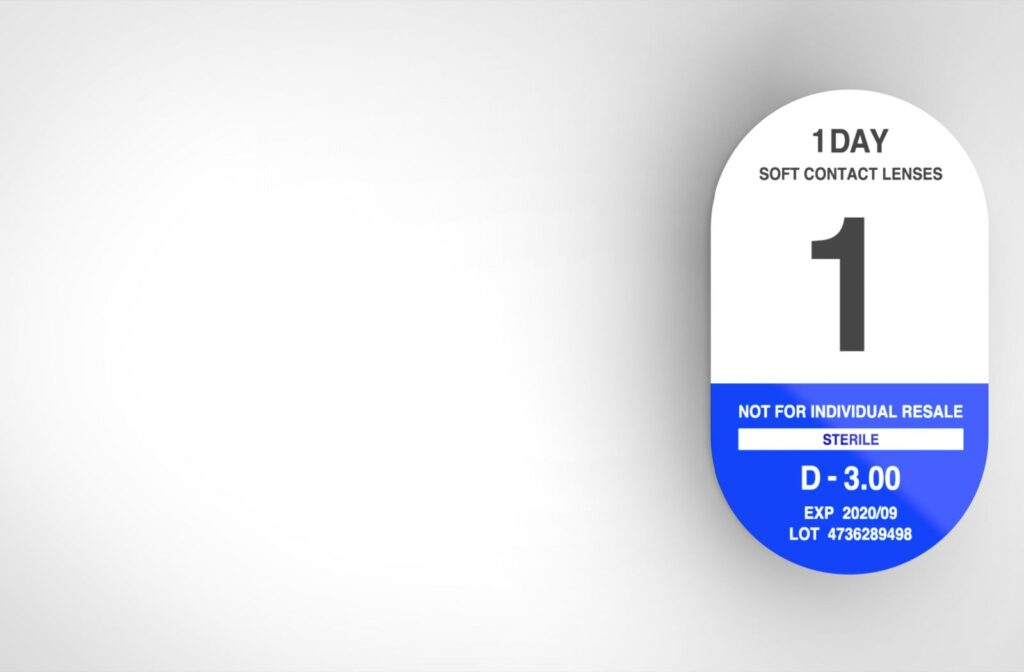
Every contact lens package displays a clear expiration date printed by the manufacturer. This date indicates when the sterile solution inside the package and the lens materials remain safe for your eyes.
You should check the expiration date before opening any new lens package. Once expired, the lens materials begin to degrade, and the sterile solution may no longer protect against contamination.
Risks of Using Expired Contact Lenses
Expired contact lenses pose serious risks to your eye health. The lens materials break down over time, making them more likely to tear or fragment in your eye.
You also face increased risks of bacterial infections, poor vision correction, and significant discomfort. The lenses may lose their ability to retain moisture, leaving your eyes dry and irritated throughout the day. For detailed information about contact lens expiration, understanding these risks helps protect your vision.
Signs You Need New Contact Lenses
Physical Discomfort Symptoms
Your eyes provide clear signals when your contact lenses need replacing. Pay attention to these warning signs your body sends you:
- Itching or burning sensation
- Excessive tearing
- Dry eyes or irritation
- Light sensitivity
Vision Changes
Old or worn-out lenses compromise your vision quality. You might notice your sight becoming less sharp even though your prescription hasn’t changed.
Cloudy or hazy vision, difficulty focusing on objects, and overall blurriness indicate that your lenses have accumulated deposits or begun to degrade. If you’re experiencing persistent discomfort, learn about treating eye irritation from contact lens wear.
What Happens If I Continue to Use Expired Lenses?
It’s important to follow the replacement schedule recommended by your eye care provider. There are several risks associated with using expired contact lenses.
Improper lens hygiene and failure to follow replacement schedules are 2 of the most common causes of contact lens-related eye infections, which can cause a range of symptoms including:
- Partial or total loss of vision
- Sensitivity to light
- Scarring
- Inflammation
- Red eyes
- Moderate to severe eye discomfort
If you experience any of these symptoms, it is important to seek medical attention from an eye care professional as soon as possible.
Professional Contact Lens Care in Wexford & Pittsburgh
Regular Eye Exams & Contact Lens Fittings
Annual comprehensive eye exams help catch changes in your vision and eye health before they affect your contact lens wear. Your prescription may change gradually without you noticing.
Professional monitoring also identifies potential problems like dry eye syndrome or allergies that can impact how long your lenses stay comfortable throughout the day. Schedule your comprehensive eye exam to help your lenses continue working properly.
Expert Guidance for Contact Lens Selection
The right contact lenses for your lifestyle make a significant difference in comfort and eye health. Professional fitting helps your lenses move properly on your eye and provide clear vision.
You’ll receive personalized education about proper care routines and replacement schedules specific to your lens type and wearing habits. Understanding different lens materials helps you make informed choices about your eye care.
Understanding how long your contact lenses last keeps your eyes healthy and your vision clear. At McCauley Celin Eyecare Associates, the experienced team provides comprehensive contact lens fittings and ongoing care to help you get the most from your lenses safely. Schedule your contact lens consultation today at our convenient Wexford, Perrysville, or Gibsonia locations.