Key Takeaways
- Myopia tends to worsen during a child’s growth years, and early action can help slow its progression.
- Atropine eye drops are a low-dose treatment that may help slow how fast myopia progresses in children.
- Concentrations between 0.01% and 0.05% are commonly used, with fewer side effects than higher doses.
- Regular eye exams track whether the treatment is working over time.
- McCauley Celin Eyecare Associates offers personalized myopia care plans for children in Pennsylvania.
Your child squints at the board. The teacher moves them to the front row. You get the glasses, update the prescription the following year, and then the year after that. It starts to feel like a cycle with no end in sight.
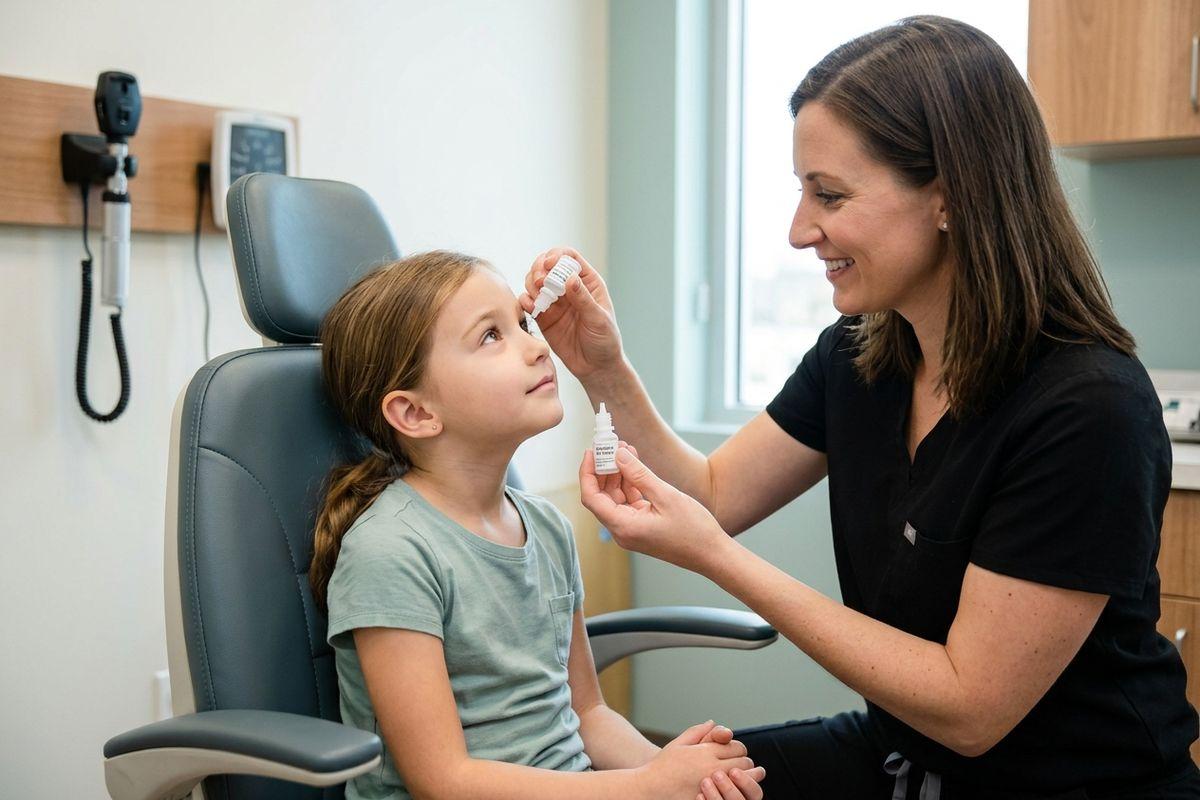
Atropine eye drops are a low-dose, prescription treatment that may help slow how quickly myopia progresses in children by targeting the way the eye grows. For parents watching their child’s prescription climb year after year, that distinction matters. If you want to understand what myopia control options look like in practice, knowing how atropine works is a solid place to start.
What Myopia Means for Your Child’s Eyes
Myopia, or nearsightedness, happens when the eye grows slightly too long. Light focuses in front of the retina instead of directly on it, making distant objects look blurry. During childhood and adolescence, when the body grows fast, the eyes can grow fast too, and myopia often gets worse during those years.
That progression matters beyond just needing stronger glasses each year. Higher levels of myopia are linked to a greater risk of certain eye conditions later in life, including retinal issues and glaucoma. Catching and addressing progression early gives your child a better chance of keeping their prescription more stable over time.
What Atropine Eye Drops Actually Are
Atropine is a compound derived from the belladonna plant and has been used in eye care for decades. In higher concentrations, it’s used to dilate pupils during eye exams. At very low concentrations, it works differently.
Low-dose atropine relaxes certain muscles in the eye without the dramatic blurring or light sensitivity that higher doses typically bring. That makes it much more practical for daily use in children.
How It Targets Myopia
Researchers believe atropine works by interacting with receptors in the retina and sclera, the outer layer of the eye, to slow the eye’s axial growth. When the eye grows too quickly in length, myopia worsens. Atropine may help put the brakes on that process.
It’s worth noting that the exact mechanism is still an area of active research. What the clinical data does show is that low-dose atropine consistently helps reduce how fast myopia progresses compared to no treatment at all.

How Atropine Helps Slow Myopia Progression
The Role of Low-Dose Concentration
The concentration used in myopia control typically falls between 0.01% and 0.05%. These amounts are far lower than what’s used for standard pupil dilation.
Lower concentrations carry fewer side effects than higher ones, making them easier for children to tolerate day to day. The drops are usually applied once per night, so they fit into a bedtime routine without much disruption. For families weighing their options, it’s also worth reviewing myopia control contact lenses as a complementary or alternative approach.
How You Know It’s Working
Progress shows up in your child’s prescription, or more specifically, in how slowly it changes. If your child’s vision prescription stays relatively stable from one exam to the next, that’s a good sign.
An eye doctor tracks two main measurements over time. First, the refraction, which is the prescription number. Second, the axial length of the eye. Watching both over months and years gives a clearer picture of whether treatment is having an effect.
What to Expect During Treatment
How Long Does Treatment Last?
Atropine treatment is generally used through a child’s active eye growth years, often into the mid-to-late teenage years. It’s not a short-term fix.
When the time comes to stop, gradual tapering is typically recommended. Stopping too quickly can sometimes lead to a rebound effect, where the prescription climbs faster than it otherwise would. A gradual step-down approach helps reduce that risk.
Possible Side Effects
Most children tolerate low-dose atropine well. That said, there are a few things to watch for, including:
- Mild light sensitivity, particularly in bright outdoor settings
- Slight blurring when focusing up close, such as during reading
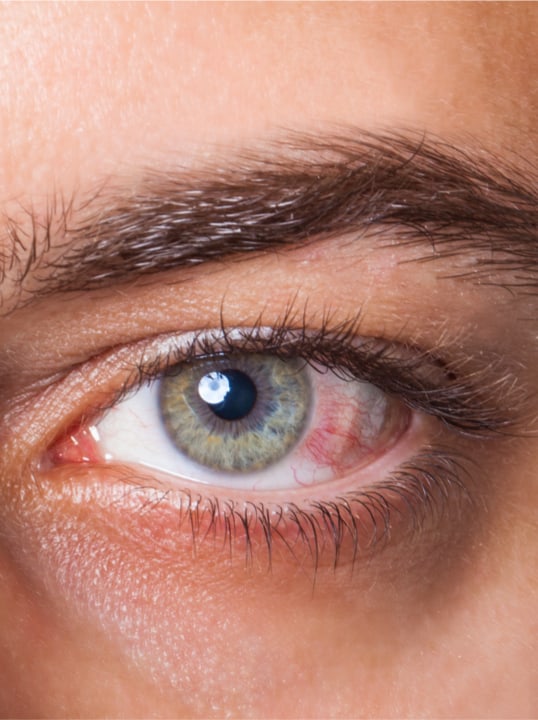
- Occasional redness or mild irritation around the eye
Serious side effects are rare at these low concentrations. Sunglasses on bright days and, in some cases, reading glasses can help manage any light or near-vision sensitivity your child experiences.
Take the Next Step
If your child’s prescription has been changing noticeably each year, it’s worth having a conversation with an eye doctor about myopia control options. Atropine isn’t the right fit for every child, but a thorough exam and a personalized plan can help you figure out what is.
McCauley Celin Eyecare Associates serves families across Wexford, Perrysville, and Gibsonia in the North Hills of Pittsburgh. Our team takes time to assess your child’s vision thoroughly, walk you through what the findings mean, and tailor a care plan to your child’s specific needs. Whether you’re a current patient or visiting for the first time, you’ll find a team that treats your family like their own.
Book an appointment with McCauley Celin Eyecare Associates today and take a proactive step toward protecting your child’s long-term eye health.