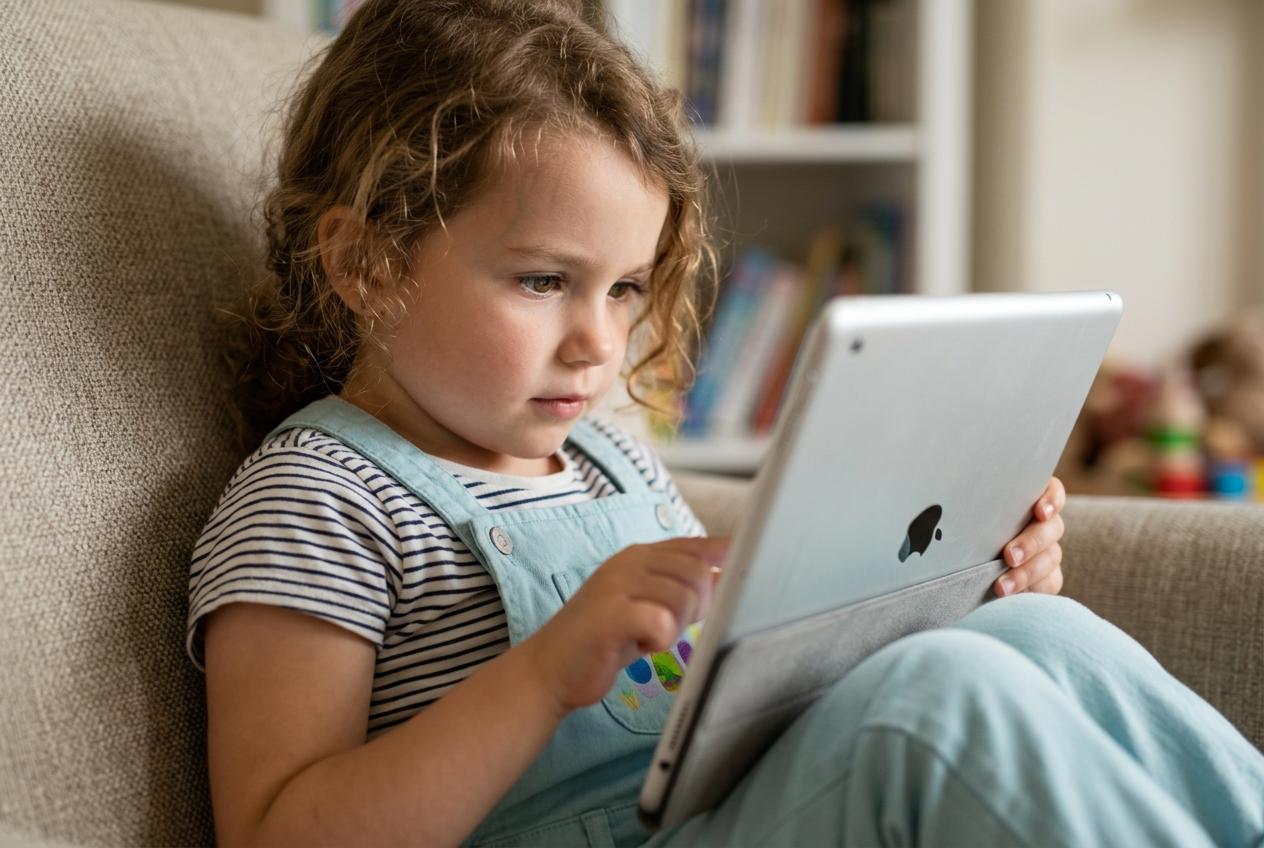
Many parents have likely watched their child squint at their tablet or rub their eyes after a long gaming session. At McCauley Celin Eyecare Associates, we know that kids are spending more time than ever on devices for school and entertainment, and many parents are wondering about the impact on their children’s developing vision.
Yes, excessive screen time can affect your child’s vision by causing digital eye strain, increasing their risk of developing nearsightedness, and reducing the natural blinking rate that keeps eyes moist and comfortable. This is why children’s eye exams play an important role in their developing vision, as they help to detect vision changes before they affect learning.
How Screen Time Impacts Your Child’s Developing Eyes
Your child’s eyes work harder when looking at screens. Digital devices require extended near work, which may increase the risk of developing myopia, especially in children whose eyes are still growing and adapting. Myopia, commonly known as nearsightedness, is a condition in which distant objects appear blurry.
Early management of myopia may help reduce the risk of complications associated with high myopia later in life.
Common Signs Your Child Is Experiencing Digital Eye Strain
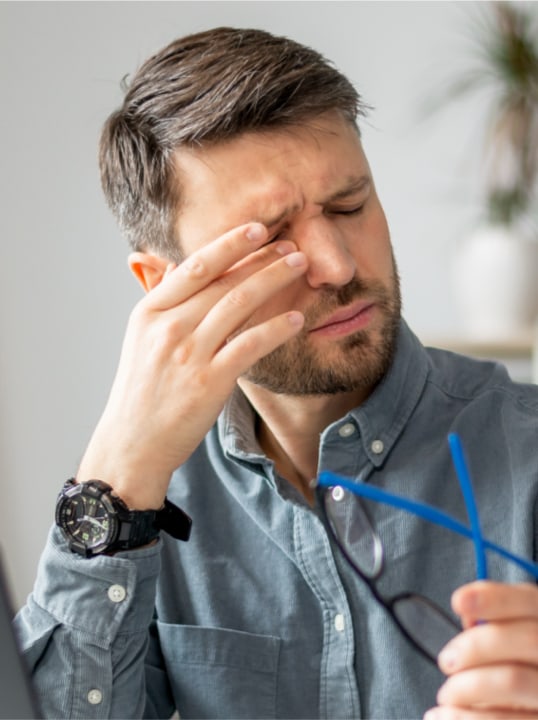
If you notice your child doing certain behaviors after spending a long time on screens, it may be a sign that they’re experiencing digital eye strain. Keep an eye out if you notice your child:
- Frequently rubbing their eyes or complaining of headaches
- Complaining of blurry or double vision
- Having difficulty focusing after device use
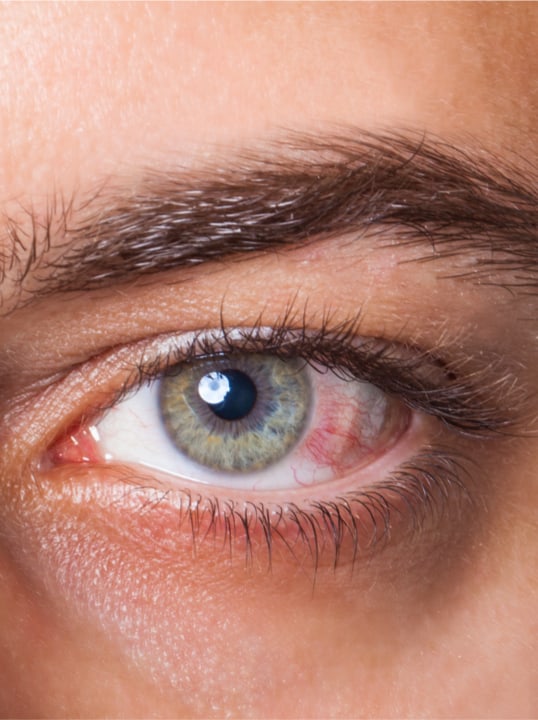
- Having red or watery eyes
These symptoms are a sign that your child may benefit from an eye exam. Our team can recommend an age-appropriate personalized approach to help them get comfortable again.
General Screen Time Guidelines for Children
While there are no perfect rules surrounding a set amount of time your child should spend on devices, the American Academy of Pediatrics recommends using social media in ways that can support your child’s development.
Generally, taking a balanced, co-viewing, and open-communication approach to devices seems to support children’s mental health around screens.
The 20-20-20 Rule for Kids
Eye strain can be very uncomfortable, but there is a simple rule that can help give your child’s eyes regular breaks during screen time. The 20-20-20 rule is designed to reduce eye strain. Every 20 minutes, encourage your child to look at something 20 feet away for at least 20 seconds.
Screen Position and Room Lighting
Position the screens so your child looks slightly down at the device. The screen should be about an arm’s length away, as closer viewing can worsen eye strain.
Adjust room lighting to reduce glare on screens. Avoid having your child use devices in completely dark rooms, as the contrast between the bright screen and dark surroundings can strain their eyes.
When to Reduce Your Child’s Screen Exposure
Because screen light can impact some people’s natural sleep cycle, it’s widely recommended to turn off screens at least 1 hour before bedtime.
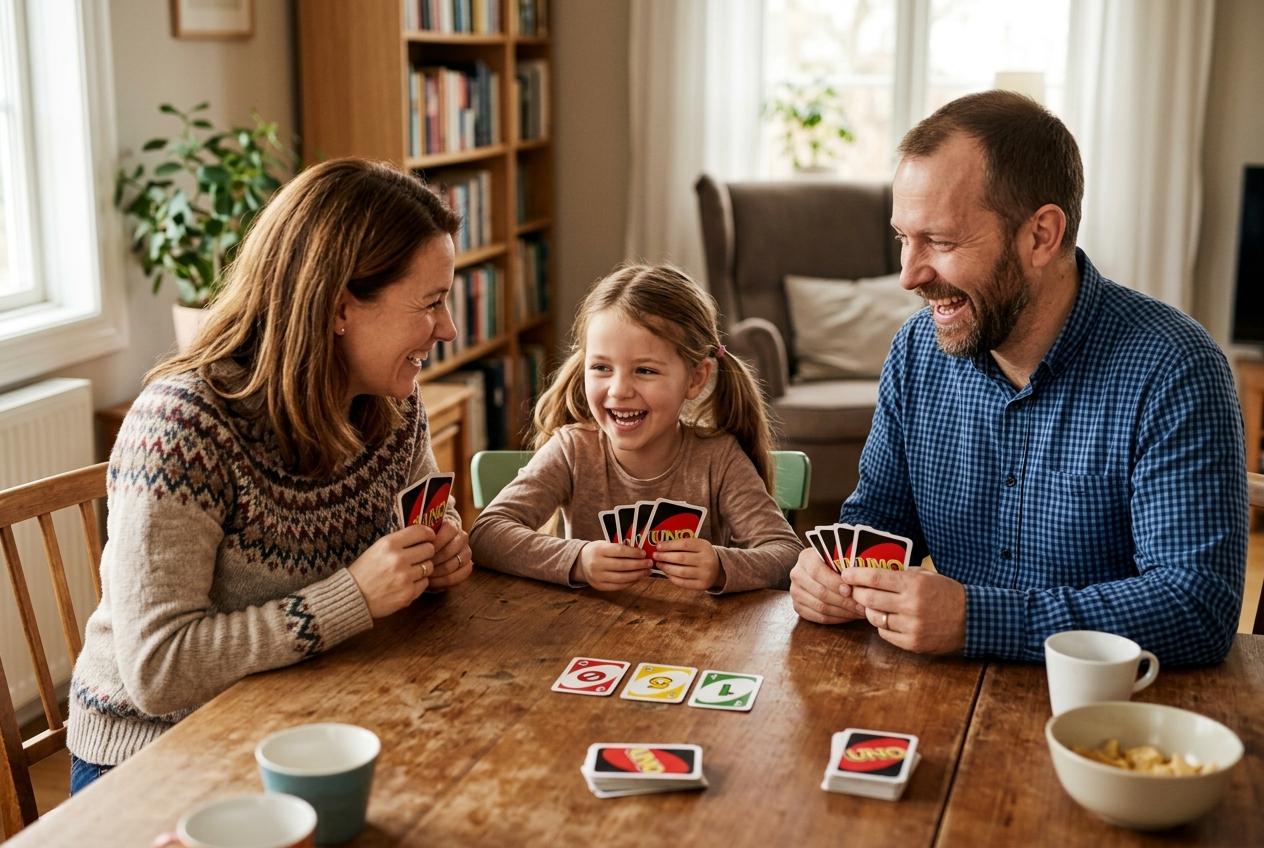
Encourage screen-free time during meals, outdoor play, and family activities. These breaks give your child’s eyes time to focus at different distances and engage with the world around them.
Long-Term Vision Concerns from Excessive Screen Use
Children today are developing nearsightedness at higher rates than previous generations. While genetics play a role, increased screen time and reduced outdoor activities are thought to contribute to this trend.
However, research shows that outdoor time may help reduce children’s risk of developing myopia. This is thought to be because of the distance viewing and natural sunlight that going outside encourages.
Protective Measures for Your Child’s Eye Health
If your child has eye strain, blue light filter glasses may help with discomfort for some. However, taking regular breaks and maintaining proper viewing distances remain the most helpful protection methods.
Encourage at least 1–2 hours of outdoor activity daily, as natural sunlight may support healthy eye development. For children who are already showing signs of myopia, there are myopia control treatments that can help slow progression.
When to Schedule an Eye Exam
If your child frequently complains of eye discomfort, headaches, or vision changes after screen use, it might be time to schedule an eye exam.
Even without symptoms, children are generally recommended to have comprehensive eye exams annually. This helps our team detect vision changes early and aids in proper visual development.
What to Expect During Your Child’s Visit
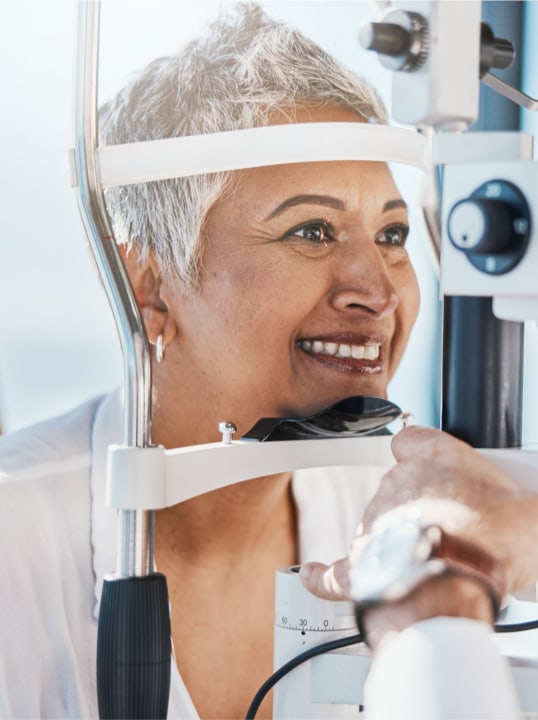
During an eye exam, the eye doctor can evaluate your child’s vision clarity, eye alignment, and overall eye health. They can also assess how well your child’s eyes work together and focus at different distances.
Based on the examination results, you will receive personalized recommendations for your child’s screen time habits and any necessary treatments for digital eye strain or vision problems.
Book Your Child’s Eye Exam
At McCauley Celin Eyecare Associates, our team understands the unique vision needs of growing children and families. We have 3 convenient locations to make receiving the eye care your family needs as simple as possible. Schedule your child’s eye exam in Wexford, Perrysville, or Gibsonia today.