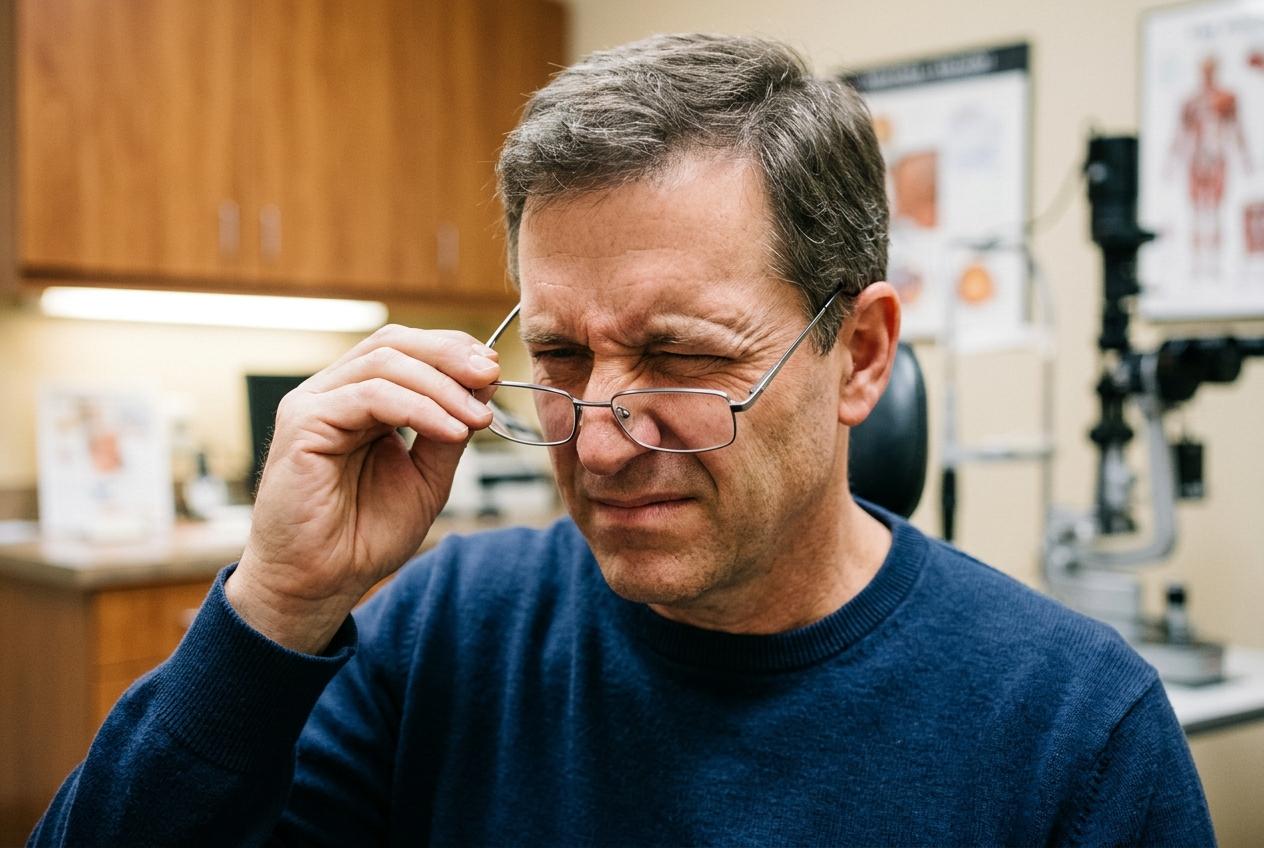
You rush out the door and realize your glasses are sitting on your nightstand. Maybe you’ve wondered if skipping them for the day could actually make your vision worse over time. This common concern affects many people who depend on corrective lenses for clear sight.
Your vision doesn’t permanently get worse from not wearing your glasses — the underlying condition that requires correction continues its natural progression regardless of whether you wear your prescription lenses. However, you may experience temporary discomfort and eye strain that makes your vision feel worse when you’re not wearing them. At McCauley Celin Eyecare Associates, patients often ask about this concern during their comprehensive eye exams.
What Really Happens When You Skip Your Glasses
When you don’t wear your glasses, your refractive error — whether nearsightedness, farsightedness, or astigmatism — remains the same. These conditions develop due to the shape of your eye or cornea, not from your glasses-wearing habits.
Your underlying eye condition continues its natural course whether you wear corrective lenses or not. For example, if you have progressive myopia, it can advance due to genetics, age, or lifestyle factors. Your glasses simply help you see clearly despite these conditions.
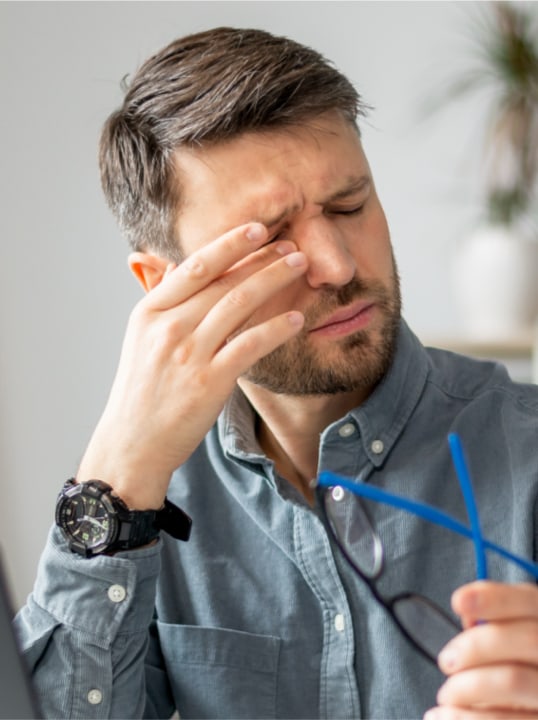
You might notice increased eye strain symptoms like headaches, fatigue, or difficulty focusing. These temporary effects happen because your eyes work harder to compensate for unclear vision, but they don’t cause permanent damage to your eyesight. Learning more about myopia can help you better manage your vision health.
Why Your Vision Seems Worse After Removing Glasses
Your eyes and brain adapt to the sharp, clear vision that glasses provide. When you’ve been wearing your prescription regularly, your visual system becomes accustomed to this level of clarity. Removing your glasses creates a stark contrast that makes blurred vision feel more obvious.
This adaptation doesn’t weaken your eyes — it simply means your brain has adjusted to processing clearer visual information. Think of it like stepping from a brightly lit room into dim lighting. Your eyes need time to readjust, but the temporary discomfort doesn’t harm your vision.
The Adjustment Period Your Eyes Experience
When you switch between wearing and not wearing glasses, your focusing muscles must work differently. Without your prescription lenses, these muscles strain to achieve the clearest possible focus, which can feel uncomfortable initially.
This readjustment period is temporary and varies from person to person. Some people adapt quickly, while others notice the difference more prominently, especially during tasks requiring detailed vision like reading or computer work.
Common Vision Changes & Their Real Reasons
Age-related vision changes happen naturally over time, regardless of your glasses-wearing habits. Presbyopia, which affects your ability to focus on close objects, typically begins in your 40s due to changes in your eye’s lens flexibility.
Medical conditions like diabetes, high blood pressure, or eye diseases can affect your vision independently of whether you wear corrective lenses. Environmental factors such as prolonged screen time, UV exposure, or dry air can also impact your eye health and comfort.
These changes occur due to physiological processes, genetics, or health conditions — not because you occasionally skip wearing your glasses.
When Vision Changes Signal Concern
Sudden changes in your prescription needs or new symptoms like persistent headaches, eye pain, or flashing lights warrant professional attention. These signs can indicate underlying eye health issues that require evaluation beyond routine vision correction.
If you notice your current prescription no longer provides clear vision or you experience new visual disturbances, schedule an eye exam to determine the reason and appropriate treatment.
Eye Strain & Comfort Without Your Prescription
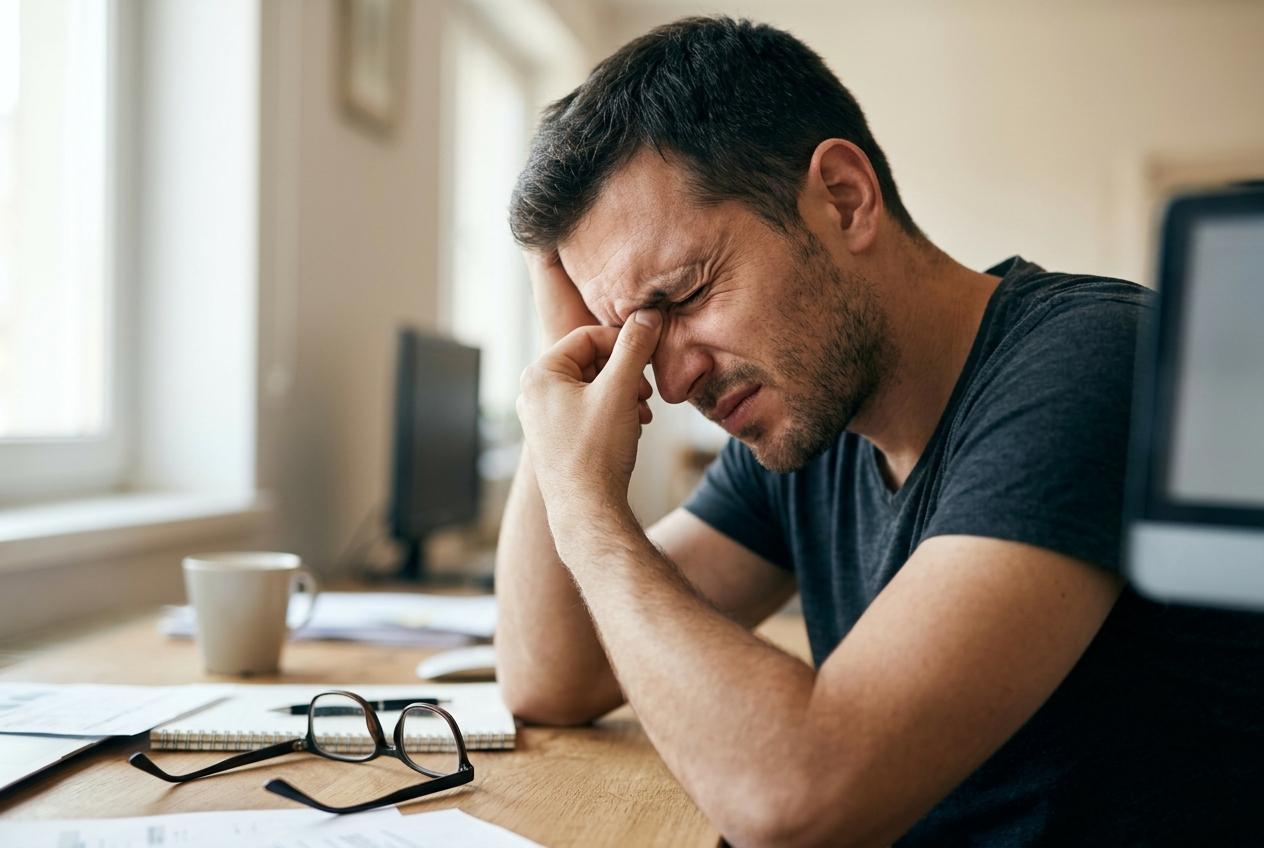
Without your glasses, you may experience headaches from the extra effort your eyes exert trying to focus. Squinting and straining to see clearly can lead to facial muscle tension and fatigue that extends beyond your eyes.
Your productivity during detailed tasks like reading, driving, or computer work can decrease when you’re not wearing your prescription. You might find yourself holding materials closer or farther away, adopting awkward postures that contribute to neck and shoulder discomfort. Understanding computer vision syndrome can help you recognize how screen time affects your eye strain.
How Pittsburgh Weather Affects Your Eyes
Winter air in the Pittsburgh area can lead to additional dryness and discomfort, especially when your eyes are already working harder without corrective lenses. Cold, dry outdoor air combined with heated indoor environments reduces moisture levels around your eyes.
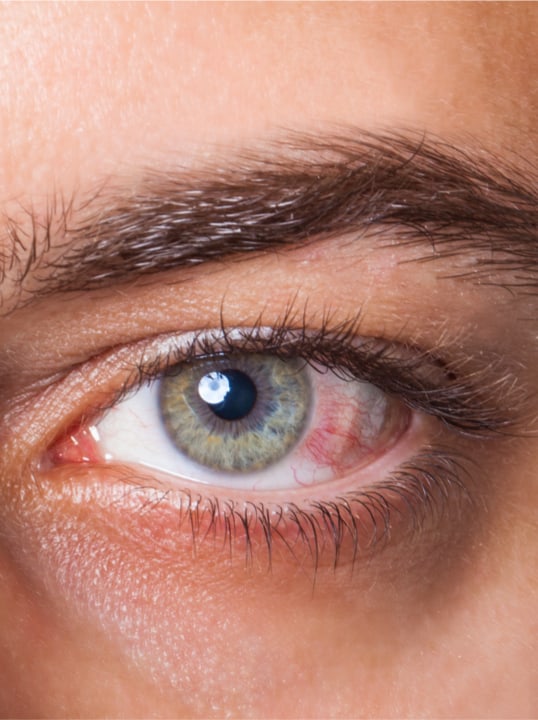
These environmental factors can make eye strain symptoms more pronounced when you’re not wearing your glasses, as dry eyes have difficulty maintaining comfortable focus.
Professional Eye Care for Consistent Vision Health
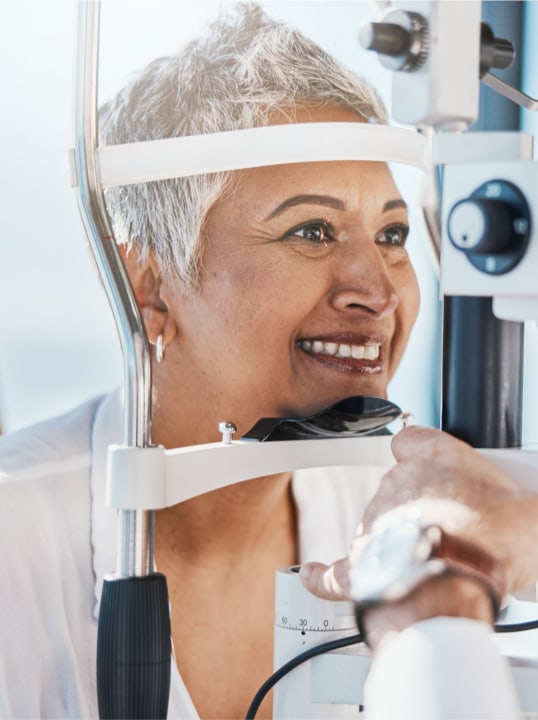
Regular eye exams help detect vision changes early and keep your prescription accurate for optimal clarity. During these visits, our eye care team can identify developing conditions and recommend appropriate treatment before symptoms become problematic.
Updated prescriptions maintain the clearest possible vision and reduce unnecessary eye strain. Comprehensive eye care also addresses underlying conditions that affect your overall eye health, beyond simple vision correction.
At McCauley Celin Eyecare Associates, our team provides comprehensive eye care tailored to your family’s vision needs. Schedule your appointment today to keep your vision at its best and address any concerns about your prescription or eye comfort.