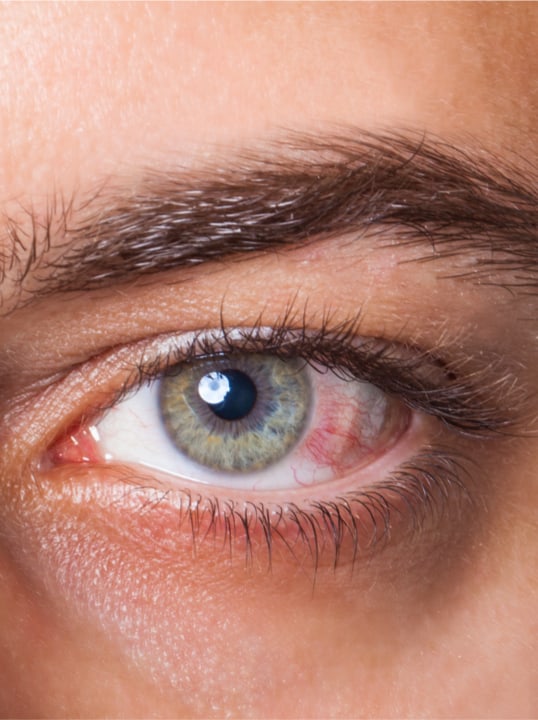

You blink, and your vision clears up for a moment. Then it gets fuzzy again. This cycle repeats throughout your day, leaving you squinting at your computer screen or struggling to read street signs clearly.
Yes, dry eyes can definitely cause blurry vision by disrupting the tear film that helps your eyes focus light properly. When your eyes don’t produce enough tears or the tears evaporate too quickly, your vision can become inconsistent and unclear. At McCauley Celin Eyecare Associates, our team understands how frustrating this condition can be and offers comprehensive dry eye therapy to help restore your comfort and vision.
How Dry Eyes Can Lead to Blurry Vision
Your tears do more than just keep your eyes moist. They create a smooth surface on your cornea that helps light enter your eye correctly. When you don’t have enough tears, this surface becomes uneven and bumpy.
Think of your tear film like a clear window. When the window gets dirty or streaky, you can’t see through it clearly. The same thing happens when your tear film breaks down; light can’t focus properly on your retina.
Your eyes also work overtime trying to compensate for the dryness. This constant effort strains your eye muscles and makes your vision even more blurry and uncomfortable.
Signs Your Blurry Vision Comes from Dry Eyes
Common Dry Eye Symptoms
Dry eyes create several uncomfortable sensations beyond just blurry vision. You might feel like you have sand in your eyes or experience a persistent burning sensation.
Many people notice their eyes water excessively, which seems contradictory. Your eyes produce extra tears to try to wash away irritation, but these tears don’t have the right balance to properly lubricate your eye surface.
Vision-Related Warning Signs
Pay attention to when your vision problems happen. Dry eye-related blurriness often improves temporarily when you blink hard or use eye drops.
Cold weather and windy conditions can make your symptoms worse by accelerating tear evaporation. You might also notice your eyes feel tired after extended screen time, which can contribute to computer vision syndrome.
What Your Vision Looks Like with Dry Eyes
Your vision might be crystal clear in the morning, but it worsens throughout the day. This happens because your tear production naturally decreases as you get tired, and environmental factors wear down your tear film.
You might describe your vision as looking through a foggy window, or like there’s a film over your eyes. Reading small print becomes more difficult, and you find yourself squinting more often to bring things into focus.
The frustrating part is that your vision constantly changes. One moment you can see clearly, and the next everything looks hazy, even without moving your head or changing what you’re looking at. Proper diagnosis helps determine the specific reason for your symptoms.
Treatment Options for Dry Eye and Vision Issues

Professional Treatments
We offer several treatment options that target the root cause of your dry eyes. OptiLight intense pulsed light (IPL) therapy uses gentle light pulses to improve the function of the tiny glands lining your eyelids, which produce oils for your tears.
Prescription eye drops work differently from over-the-counter options. They reduce inflammation and help your eyes produce higher-quality tears that stay on your eye surface longer.
At-Home Relief Methods
You can find relief with preservative-free artificial tears, which won’t irritate your eyes as regular eye drops might. Use them regularly throughout the day, not just when your eyes feel dry.
Adding moisture to your indoor air helps prevent your tears from evaporating too quickly. Wraparound sunglasses protect your eyes from wind and dry air when you’re outside. Warm compresses can also help improve oil gland function naturally.
When to Visit Your Eye Doctor
If your blurry vision persists despite using artificial tears and making environmental changes, you need a professional evaluation. Chronic dry eyes can lead to more serious complications if left untreated.
Schedule an appointment when your symptoms interfere with daily activities, such as driving, reading, or working. An eye doctor can determine whether underlying conditions, such as autoimmune disorders or medication side effects, contribute to your dry eyes.
Don’t wait for your symptoms to get worse. Early treatment often produces positive results and prevents long-term damage to your eye surface.
McCauley Celin Eyecare Associates offers comprehensive dry eye evaluations and treatment options to help restore your clear vision. Book your appointment today to take the first step toward comfortable, clear eyesight.